Trading in your vehicle should be simple.
You want a fair number, and you want to drive away in something new.
But the difference between an okay offer and a great one often comes down to preparation.
Here’s what actually makes a difference when our appraisers at H+H Kia, H+H Chevy, H+H Jeep Dodge Ram, ONYX Automotive, and OmahaUsedCar.com are evaluating your car, truck, or SUV—and what you can do before you ever pull into the lot.
In This Post
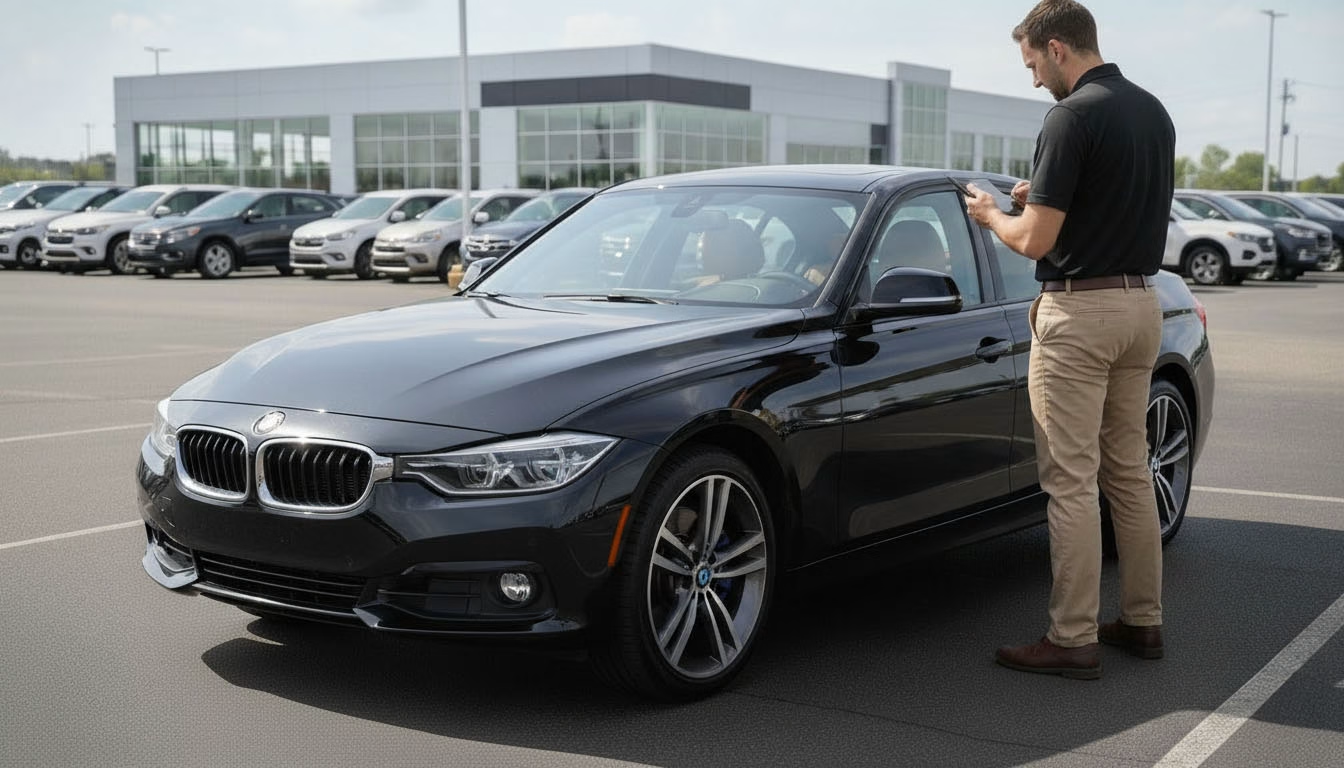
1) Clean Your Vehicle
You don’t need to spend $200 on a professional detail, but first impressions matter. When an appraiser opens your door and sees a clean interior, it signals that the vehicle was cared for. That perception carries through the entire evaluation.
A Saturday afternoon and some elbow grease can make a real difference. Here’s where to focus:
| Area | What to Do | Why It Matters |
|---|---|---|
| Exterior | Wash and dry, clean windows, tire shine | Shows overall care; makes paint and body easier to evaluate |
| Interior surfaces | Wipe down dash, console, door panels | Removes dust and grime that makes interiors look older |
| Carpets and seats | Vacuum thoroughly, treat any stains | Pet hair and ground-in dirt are red flags |
| Trunk/cargo area | Empty completely, vacuum | Appraisers check back here too |
| Odors | Remove old air fresheners, air it out | Masking smells with heavy fragrance backfires |
Pro tip: If you’re a smoker or have pets, consider leaving the windows cracked for a day or two before your appraisal. Odors are one of the hardest things to address in reconditioning, and they can impact your offer.
2) Bring Your Service Records
Maintenance history tells us a lot about how a vehicle was treated. If you’ve been keeping up with scheduled service, that documentation can work in your favor.
Records worth gathering:
- Oil change receipts or stickers
- Tire rotation and alignment records
- Brake service documentation
- Any recall work that was completed
- Major repairs (transmission, engine work, etc.)
- State inspection records
Even if your records are incomplete, bring what you have. A folder of receipts from your local shop, a printout from the dealership where you bought it, or even a maintenance log you kept yourself—all of it helps paint a picture of a well-maintained vehicle.
No records at all? That’s okay. We’ll still make you an offer. But if you have them, they’re worth bringing.
3) Be Upfront About Problems
Here’s something a lot of people don’t realize: our technicians inspect every single trade-in. We’re going to find the issues. The check engine light you’ve been ignoring, the AC that only works sometimes, the scrape on the rear bumper from that parking garage incident—it’s all going to come up.
Being honest from the start actually works in your favor. It speeds up the process, builds trust, and avoids any awkward conversations later.
Common issues we see:
- Warning lights (check engine, TPMS, airbag)
- Unusual noises (brakes, suspension, engine)
- Cosmetic damage (dents, scratches, curbed wheels)
- Interior wear (torn seats, broken knobs, missing pieces)
- Mechanical issues (transmission slipping, AC problems)
We factor these things into our appraisal either way. There’s no benefit to hiding them, and being straightforward makes the whole experience smoother for everyone.
4) Fix the Small Stuff
Not every repair is worth doing before you trade in. A major engine issue? That’s not something you should sink money into if you’re about to trade. But small, inexpensive fixes can improve how your vehicle presents—and that matters.
Here’s a general guide:
| Issue | Typical Cost | Worth Fixing? |
|---|---|---|
| Burned-out headlight or taillight | $15–30 | Yes |
| Missing or damaged floor mats | $25–50 | Usually |
| Cracked wiper blades | $20–40 | Yes |
| Minor scratches (touch-up paint) | $10–20 | Sometimes |
| Dead key fob battery | $5–10 | Definitely |
| Burned-out interior bulbs | $5–15 | Yes |
| Major dent repair | $150+ | Probably not |
| Windshield crack | $100+ | Depends on size |
The rule of thumb: if it’s cheap and quick, handle it. If it’s expensive, let us deal with it. We have reconditioning processes in place and can often fix things more cost-effectively than you can retail.
5) Consider the Timing
Trade-in values aren’t static. They fluctuate based on demand, season, and what’s happening in the used car market. While you can’t always control when you need a new vehicle, it’s worth understanding how timing can affect your offer.
Seasonal demand in the Omaha market:
| Vehicle Type | Strongest Demand | Weaker Demand |
|---|---|---|
| Trucks (F-150, Silverado, Ram) | Year-round strong | — |
| SUVs and Crossovers | Fall and winter | — |
| Convertibles | Spring and early summer | Late fall and winter |
| Fuel-efficient sedans | When gas prices spike | When gas is cheap |
| 4WD/AWD vehicles | Late fall before winter | Spring |
If you’re driving a pickup truck in Nebraska or Iowa, you’re in luck—demand stays strong pretty much all year. If you’ve got a Mustang convertible, you’ll probably get a better number in April than you will in December.
This isn’t always something you can plan around, but if you have flexibility, it doesn’t hurt to ask what we’re seeing in the current market.
6) Get Your Appraisal in Person
Online trade-in estimators are useful for getting a ballpark figure, but they have limitations. They’re working entirely off the information you provide, and they can’t account for actual condition.
The real number—the one you can actually drive away with—comes from an in-person appraisal where someone can see the vehicle, drive it, and evaluate it properly.
What to bring to your appraisal:
- The vehicle (obviously)
- All keys and key fobs
- Title (if you have it) or loan payoff information
- Service records and receipts
- Your driver’s license
- Any accessories that came with the vehicle (cargo covers, extra floor mats, etc.)
What to expect:
- We’ll do a walkaround and note the exterior condition
- We’ll check the interior, features, and mileage
- A technician will look under the hood and often take a short test drive
- We’ll pull the vehicle history report
- We’ll give you a written offer and explain how we got there
The whole process usually takes 20–30 minutes. No pressure, no games—just a straightforward evaluation.
The Bottom Line
Getting top dollar for your trade-in isn’t about tricks or negotiation tactics. It’s about presenting your vehicle well, being honest about its condition, and coming prepared.
Quick checklist before your appraisal:
- Vehicle washed and vacuumed
- Interior wiped down, odors addressed
- Service records gathered
- Small issues fixed (lights, wipers, key fob batteries)
- All keys and accessories collected
- Loan payoff amount known (if applicable)
Ready to see what your vehicle is worth? Stop by today. We’ll take a look, give you a number, and explain exactly how we got there.
No surprises. Just a fair offer.
Frequently Asked Questions
Do I have to pay off my car loan before I trade it in?
Nope. We handle this all the time. We’ll contact your lender, get the payoff amount, and roll it into the transaction. If you have equity in your vehicle (it’s worth more than you owe), that amount goes toward your new purchase. If you’re upside down (you owe more than it’s worth), we can often roll that balance into your new loan, depending on your situation.
What if I owe more than my car is worth?
It happens, and it’s more common than you might think. We call this being “upside down” or having negative equity. In many cases, we can work with you to roll that remaining balance into your new vehicle’s financing. We’ll walk you through the numbers so you understand exactly where you stand before you make any decisions.
Can I trade in a leased vehicle?
Yes, even if the lease isn’t up yet. We can contact your leasing company, get the buyout amount, and handle the transaction from there. Sometimes there’s equity in a lease—especially if you’re under miles or the market value has increased—so it’s worth checking.
How long is your trade-in offer good for?
Typically, our written offers are valid for seven days or a certain number of miles, whichever comes first. Market values can shift, so we put a window on it. If more time passes, just bring the vehicle back and we’ll re-evaluate. It’s not a big deal.
Do I need an appointment to get an appraisal?
No appointment necessary. You can stop by any of our locations during business hours and we’ll take a look. That said, if you want to make sure someone’s available right away, calling ahead doesn’t hurt—especially on busy weekends.
What if my car has been in an accident?
Accident history doesn’t automatically disqualify your vehicle or tank its value. We pull a vehicle history report on every trade, so we’ll see what’s there. What matters most is how well the repairs were done and whether there are any lingering issues. Just be upfront about it and we’ll factor it into our evaluation.
Can I get a trade-in value without buying a car from you?
Absolutely. We buy vehicles outright, no purchase required. If you just want to sell your car and walk away with a check, we can do that. Stop by and we’ll give you an offer just like we would for any trade-in.
What if my car doesn’t run?
We can still take a look and make an offer. The value will obviously reflect the mechanical issues, but a non-running vehicle isn’t worthless—especially if it’s a popular model or has good parts. Let us know the situation when you come in and we’ll figure it out.
Do aftermarket modifications help or hurt my trade-in value?
It depends. Some modifications—like a quality lift kit on a Jeep or a tonneau cover on a truck—can be appealing to the next buyer. Others, like heavy engine modifications or custom audio systems, don’t always add value and can sometimes raise concerns about how the vehicle was driven. In general, stock vehicles are easier to appraise and resell, but we’ll evaluate yours based on what’s actually there.
What documents do I need to bring?
At minimum, bring your driver’s license and all keys/key fobs. If you have the title, bring that too—though it’s not required if you’re still financing. If you’re making payments, know your lender’s name and have a rough idea of your payoff amount (you can usually find this in your lender’s app or by calling them). Service records are optional but helpful.
How do you determine the trade-in value?
We look at a combination of factors: year, make, model, mileage, condition inside and out, mechanical condition, vehicle history, and current market demand. We also check what similar vehicles are selling for in the Omaha market right now. It’s not a guessing game—there’s real data behind the number we give you, and we’re happy to explain how we got there.
Can I trade in two vehicles at once?
Sure. If you’ve got two cars and want to trade them both toward one new vehicle, we can make that work. Just bring them both in and we’ll appraise each one separately.
What if I don’t agree with the offer?
That’s okay. Our offer is just that—an offer. There’s no pressure and no hard feelings if you decide to shop around or hold onto your vehicle. We’d rather give you a fair number and earn your business than play games with the appraisal.